Kerinci - Indonesia

EU* on orders over 75/99€

On Mondays and Wednesdays

Bratislava, Košická 21
Product detailed description
Koerintji Barokah Bersama
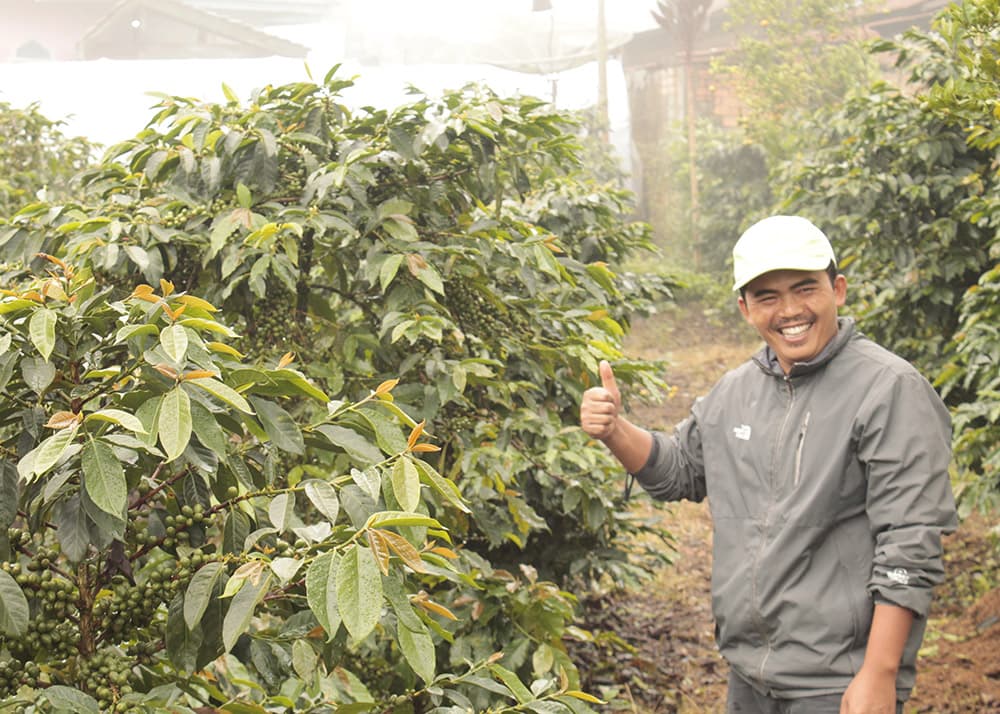
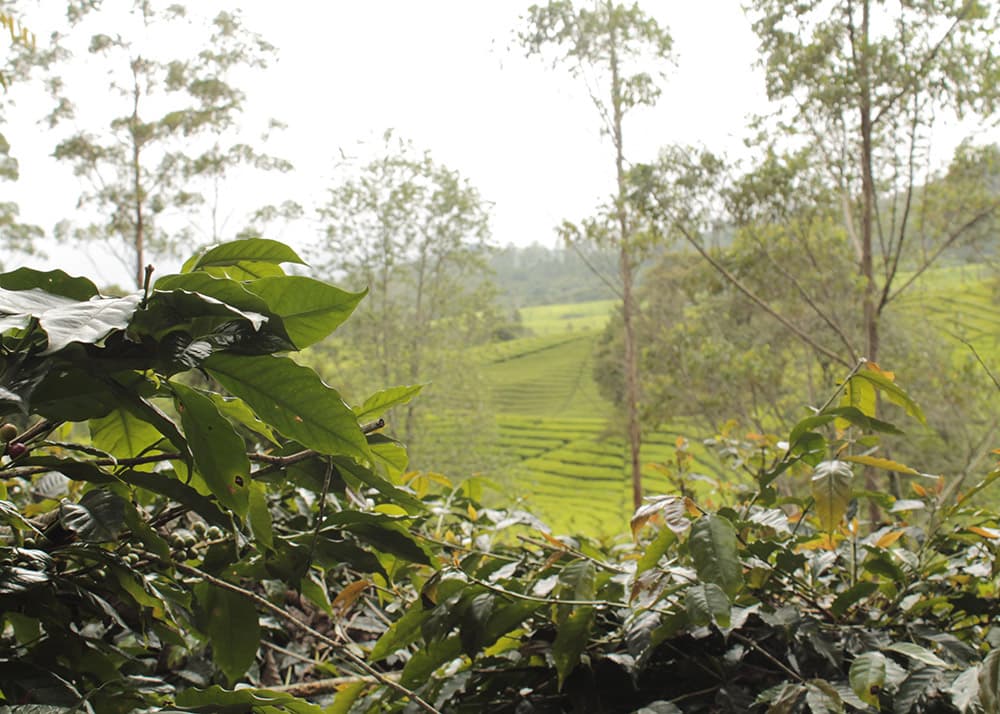
The 320 members of the Koerintji Barokah Bersama Cooperative live and farm on a plateau that sits at the foot of Mount Kerinci on the island of Sumatra. Mount Kerinci is one of the many volcanoes in the Pacific Ring of Fire, a 40,000-kilometer horseshoe-shaped series of 452 volcanoes that are part of an almost constant dance of eruptions and plate movements. Mount Kerinci’s historic eruptions have assured that the surrounding area is lush and verdant thanks to the deep supply of fertile volcanic soil. The cooperative is managed by Triyono, who leads members in processing and roasting their own coffee. They have a fully outfitted roasting facility, including a cupping lab, next to the dry mill. This is especially impressive considering the cooperative was founded in mid-2017! Almost all farms on Sumatra are small. On average, farms are between 0.5 to 2.5 hectares. Coffee is usually the primary cash crop for farmers, but most also intercrop their trees alongside vegetables, potatoes and fruit. This intercropped produce will make up a substantial part of the family’s diet for the year. In addition to growing coffee as a cash crop, many smallholder farmers also work as hired laborers at the nearby tea plantations. Tea is also a huge crop in the area. The bigger tea plantations are often near coffee farms. When the coffee harvest is finished, coffee farmers will go there and pick tea leaves under contracted labor.
Process
During the harvest season, coffee is handpicked, with labor usually supplied by the immediate family. After picking, the coffee will be delivered to a UPH collection center. Triyono oversees the activities on and around nine UPH stations owned by the cooperative. A UPH is a collection center where coffee cherries are bought by the coop and where the coffee is processed before moving it to the central mill. Essentially, a UPH functions as a small washing station. To streamline the operation, there is an agriculturalist providing technical assistance to make sure the standard operation procedures are applied while processing at the different stations. Each UPH is located in a different area and receives cherries from different farmer groups. With this Anaerobic Natural lot, coffee is first floated and separated by density before being laid on raised beds where workers remove underripes, overripes and damaged cherry. Then, ripe cherry is collected again and sealed in airtight, 20kg plastic bags that are stored in a cool, dry location (with temperatures between 18 and 22 degrees Celsius) for 7 days. After 7 days, cherry is again laid on raised beds to dry. The beds are located in domes that protect the coffee from rain or harsh sunlight. The parchment will dry here for around 20 to 23 days. When dry, the coffee is milled and sorted by hand. Farmers receive fair prices for their cherry and have a fixed buyer for their cherries. The coop's profit at the end of the year is either invested in infrastructure to improve quality or is shared with the producers. Farmers also receive technical support and seedlings for shade trees for on and around the farm.
About this coffee
Cupping score: 87.50
Farm: Koerintji Barokah
Producer:320 CO-OP members
Region: Kerinci
Altitude: 1400 - 1700 masl
Variety: Andung Sari, Sigarar
Processing: Anaerobic Natural
About the Variety
Andung Sari: Developed by the Indonesian Coffee and Cocoa Research Institute (ICCRI). High-yielding at high altitudes, it brings elegance, bright acidity, sweetness, and floral or stone fruit nuances to the cup.
Sigarar Utang: Translated as "The Debt Payer" because it fruits quickly and year-round, securing steady income for farmers. It provides an intense body, heavy mouthfeel, and deep sweetness.
Anaerobic Natural
Anaerobic natural processing involves sealing whole, ripe coffee cherries in airtight, oxygen-free tanks where $CO_2$ pressure alters fermentation to create intense, complex fruit flavors. Once fermented, the cherries are dried whole on traditional beds, resulting in a cup with a heavy, syrupy body, vibrant winey acidity, and distinct boozy or tropical notes.