Mubuku – Uganda

EU* on orders over 75/99€

On Mondays and Wednesdays

Bratislava, Košická 21
Product detailed description
Mubuku Washing Station
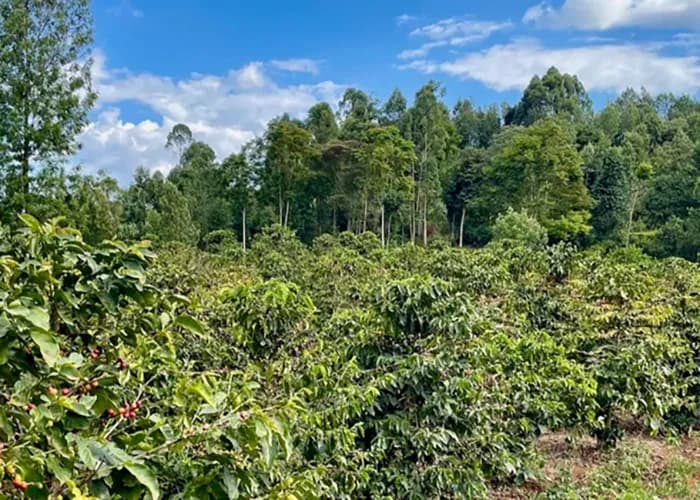
The Mubuku Washing Station is located on a 20-acre plot along the banks of the Mubuku River in Kasese District. The river originates from the glacial caps of the Upper Rwenzori Mountains and flows all the way to Lake George. Along its journey, it winds through fertile farmland on the east-facing slopes of the Rwenzori Mountain Range, passing Kasese Station before joining Lake George and the broader African Great Lakes system. Kasese lies close to the shores of Lake George, with the breathtaking Queen Elizabeth National Park to the south of the station. Even closer is the entrance to Rwenzori National Park—just one kilometer from our washing station. Both parks are UNESCO World Heritage Sites. The drier, hotter climate at Mubuku Washing Station, combined with the presence of a quality control lab, provides the ideal environment for experimenting with anaerobic natural processing. This setup ensures even drying and consistent quality at every stage.
Harvest and Processing
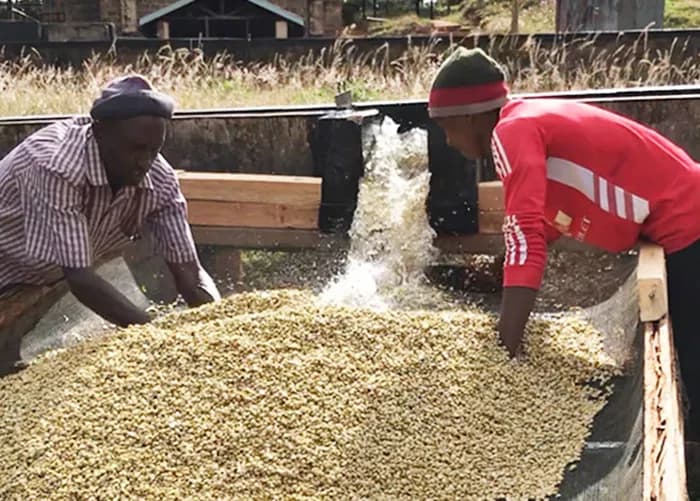
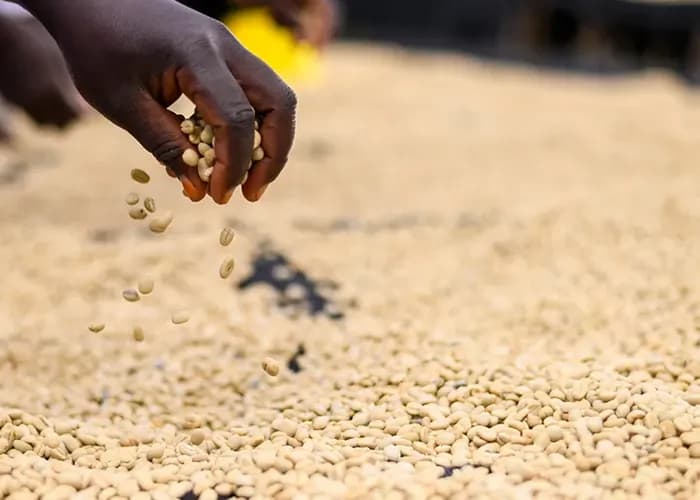
More than 4,300 farmers contribute cherries to the Mubuku station, spread across a vast network of farms and communities. For those living farther away, transporting cherries daily can be a significant challenge. To address this, we’ve built strong relationships with trusted middlemen who collect and deliver cherries to the station. This network is essential for maintaining a smooth workflow and ensuring timely payments to farmers. Farmers primarily grow SL14, often intercropping with bananas, vanilla, and beans to diversify their income. Cherries are transported to the station daily, often via steep, muddy dirt roads. Upon arrival, the cherries are floated and meticulously hand-sorted by trained staff. They are then placed in plastic drums with capacities ranging from 95 to 155 kg. The tanks are sealed, and the cherries undergo anaerobic fermentation for 40 hours. For our Anaerobic Naturals, cherry quality and a controlled environment are critical to preventing over-fermentation and maintaining the highest standards. After fermentation, cherries are spread on raised beds with an average capacity of 300 kg. Around 90 seasonal workers are employed at the drying tables, focusing almost exclusively on drying care. They frequently turn and rake the cherries to ensure even drying and visually inspect for defects, removing any damaged beans. Drying typically takes 18 to 24 days, depending on conditions.
About this Coffee
Cupping score: 86.50
Washing Station: Mubuku
Producer: 4300 regional small farmers
Region: Kasese
Altitude: 1300 – 2030 masl
Variety: SL14,
Processing: natural anaerobic
About the Variety
SL14 is a drought-tolerant Arabica cultivar selected in the 1930s by Scott Agricultural Laboratories, widely grown across Uganda's Mount Elgon and Rwenzori regions. Tracing back to the Bourbon-Typica lineage, it produces a balanced cup known for crisp citric acidity, dried fruit sweetness, and a clean mouthfeel.
Natural Anaerobic Process
In an anaerobic natural process, whole coffee cherries ferment inside sealed, oxygen-deprived tanks to encourage controlled microbial activity before being dried with the pulp intact. This method produces an intensely fruity, heavy-bodied cupping profile rich in winey acidity, tropical fruits, and boozy cacao sweetness.