Nemba – Burundi

EU* on orders over 75/99€

On Mondays and Wednesdays

Bratislava, Košická 21
Product detailed description
Nemba station
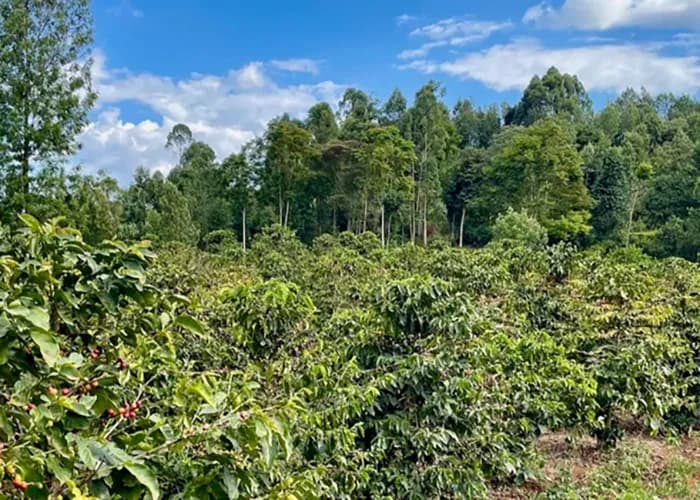
Nemba station lies in the northern province of Kayanza. The lead agronomist oversees the implementation of Good Agricultural Practices (GAPs) and farmer education. They collaborate with producers to ensure they have access to the necessary farming tools. The agronomist also helps farmers determine and implement the practices best suited to the specific growing conditions of their farming plots. Nemba uses a monitoring system to ensure traceability all along the production and processing chain. All 1,074 producers are smallholders who own an average of 150 coffee trees. The farmers delivering cherry to Nemba are all located around 1,700+ meters above sea level, near the Kibila forest. The washing station has over 200 drying tables and can process up to 750 metric tons of cherry annually. The washing station participates in a number of farmer outreach and support projects including a livestock rearing project and a range of projects centered on strengthening cooperatives and improving yields.
Harvest and Processing
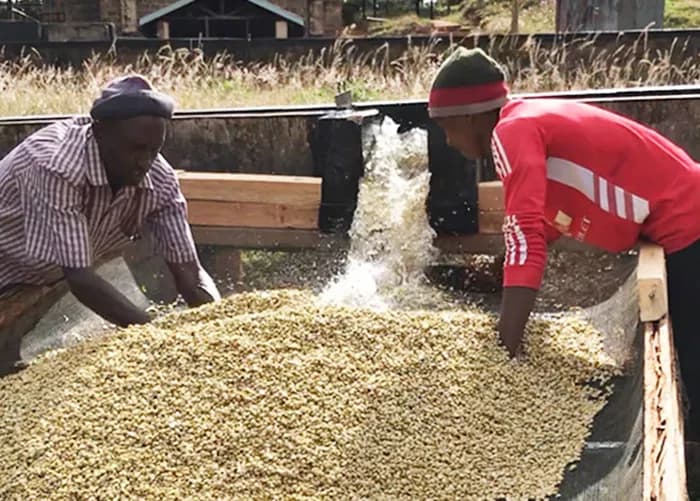
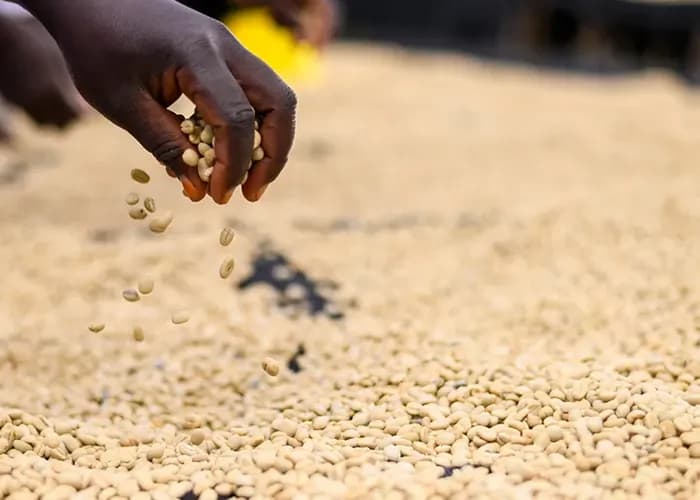
During the harvest season, all coffee is selectively handpicked. Most families only have 200 to 250 trees, and harvesting is done almost entirely by the family. Cherry is placed in containers and Intenso yeast purchased from the French company Lalcafe is added. The cherry is left to ferment in this environment for approximately 36 hours. LALCAFÉ INTENSO™ yeast (Saccharomyces cerevisiae) was specially developed for coffee production over a four-year period of research and trials. Trials in various regions and environments showed that Intenso is well suited to better control processing efficiency and to upgrade the cup quality. The yeast is able to control the fermentation process against the risk of spoilage micro-organisms that can generate undesirable defects. Furthermore, its specific metabolism and high capacity even at cold temperatures (minimum 15°C inside the coffee tank) allow for the expression of fresh and fruity characteristics of the coffee beans while respecting the unique flavors of each lot. After fermentation, cherry is carried to the drying tables, where they will dry slowly for 2 to 3 weeks, during which time the cherry is repeatedly sorted and sifted to ensure even drying. Cherry is left to dry from sunrise to sunset and is covered with a sheet during the evening or when it rains. The moisture level is carefully monitored and any cherry with visual defects is removed. Once dry, coffee is then bagged and taken to the warehouse. Greenco’s team of expert cuppers assess every lot (which are separated by station, day and quality) at the lab. The traceability of the station, day and quality is maintained throughout the entire process.
About this Coffee
Cupping score: 87.00
Washing Station: Nemba
Producer: 1074 regional small farmers
Region: Kayanza
Altitude: 1313 – 1700 masl
Variety: Red bourbon
Processing: yeast inoculated natural
About the Variety
Red Bourbon is a foundational Coffea arabica variety that naturally mutated from Typica on Île Bourbon in the 18th century. The tall, green-tipped trees are highly vulnerable to leaf rust but produce excellent quality when grown at high altitudes. In the cup, it is celebrated for its deep sweetness, heavy, silky body, and balanced malic acidity. Its classic profile leans into rich notes of chocolate, caramel, and stone fruit, offering a heavier mouthfeel than Yellow Bourbon and a more traditional cup than the floral Pink Bourbon.
Yeast inoculated natural
The yeast-inoculated natural process adds selected, specialized yeast strains to whole coffee cherries inside fermentation tanks before drying. This added yeast dominates the environment, safely outcompeting wild bacteria to ensure a highly controlled and predictable fermentation curve. Because it prevents standard over-fermentation defects, the resulting cup is exceptionally clean while retaining the heavy, syrupy body of a traditional natural. The specific esters created during this fermentation boost complexity, amplifying bright berry aromatics, tropical fruit notes, and crisp, refined acidity.